
One in 59 U.S. children is estimated to have autism spectrum disorders (ASD), and those with ASD tend to have more atypical sensory processing. Approximately one-third of young adults with ASD face unemployment and lack of post-secondary education, indicating the lasting impact of sensory challenges. Traditional school environments can be overwhelming due to constant noise, bright lights, and busy classrooms, often causing stress and sensory overload. This overstimulation hinders their ability to focus, engage, and participate in learning activities, sometimes even resulting in emotional or behavioral challenges. Sensory rooms in schools are crucial for supporting the well-being and academic success of such neurodivergent students. Sensory rooms offer a controlled environment where students can regulate their sensory input and develop coping mechanisms for managing overstimulation, ultimately fostering a more inclusive and supportive learning experience.
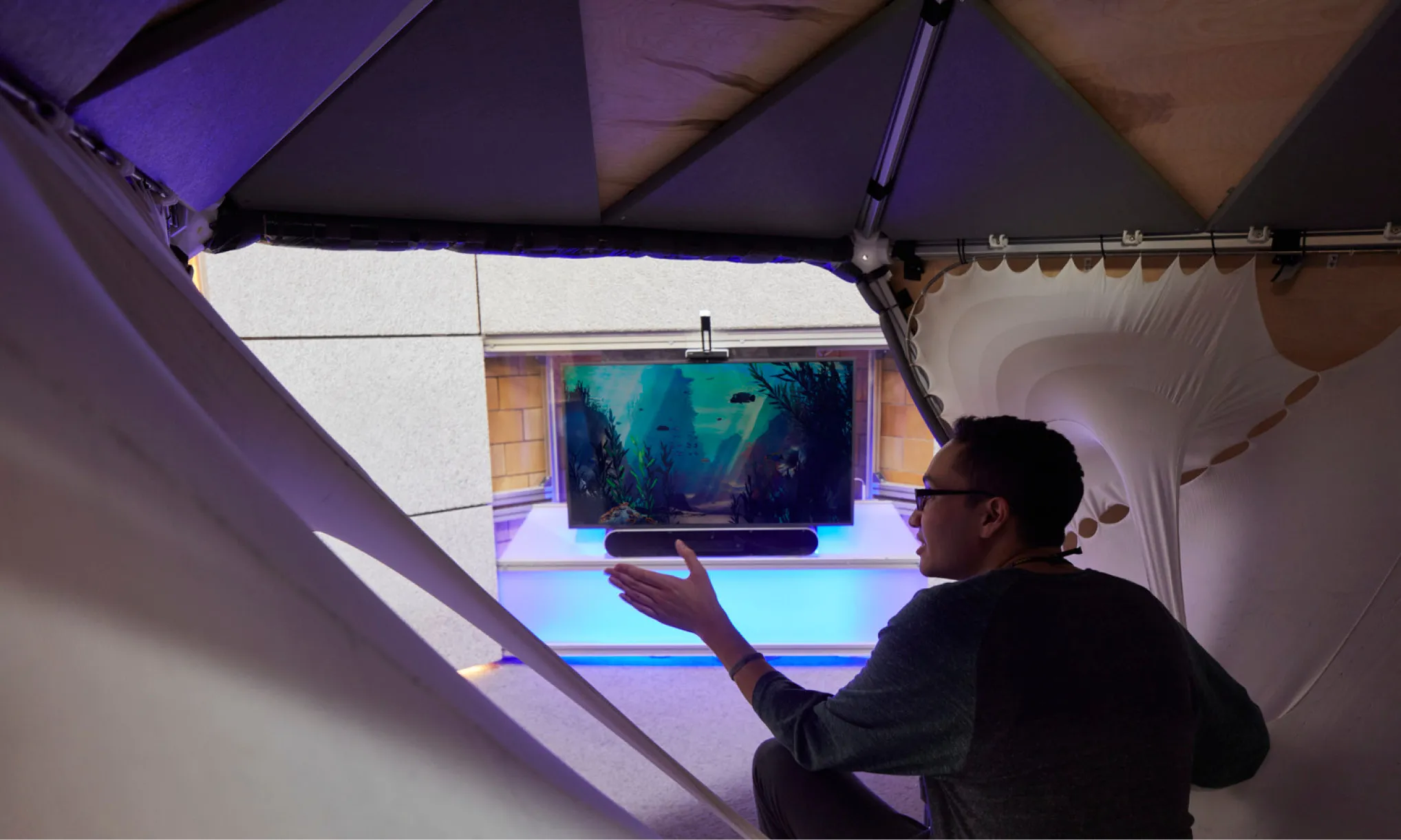
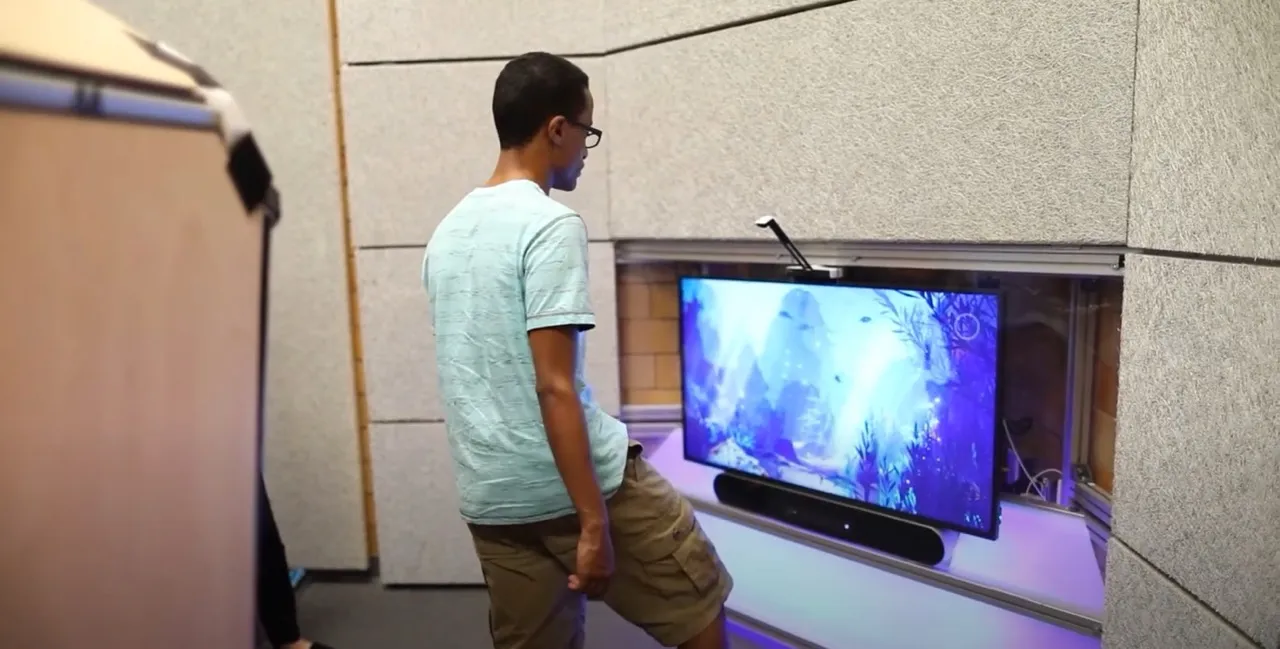
 Bean bags, interactive media wall with cocoon and fidget walls are top three ASD preferred elements.
2. Balance Proximity and Separation
Balancing proximity and separation is key to making sensory rooms accessible while keeping them effective as calming spaces. Position the sensory room close enough to classrooms so students can easily step away when they need a break, but use soundproofing and adjustable lighting to create a peaceful environment. By controlling acoustics and lighting, the sensory room offers a refuge from classroom noise and stimulation, allowing students to relax and reset without feeling isolated from their learning environment. This setup helps the sensory room become a well-integrated part of the school.
3. Prioritize Sound Absorption
Sound absorption is crucial for sensory rooms, as a quiet environment helps prevent overstimulation. Using materials like acoustic panels, soft fabrics, sensory wall panels for schools, and sound-absorbing flooring can significantly reduce noise levels, making the room feel more peaceful and inviting. This focus on sound control allows the space to serve as a calm refuge from the often noisy school environment, helping students, especially those sensitive to sound, feel comfortable and supported.
 The design principles reflect the findings from literature review and the scientific advisory summit.
Consider Ouva for Sensory Rooms
For schools looking to take their sensory room design to the next level, Ouva offers innovative solutions that seamlessly blend technology with sensory wellbeing. The Ouva Sensory Experience Platform and sensory walls for schools deliver immersive, adaptive experiences using AI-powered tracking and interactive media, allowing each sensory space to respond dynamically to students’ needs.
Related Reading
Creative Sensory Room Ideas for Home and Schools
Explore modern sensory room ideas for homes and schools, from the eight sensory systems to AI-powered, bio-responsive smart environments.
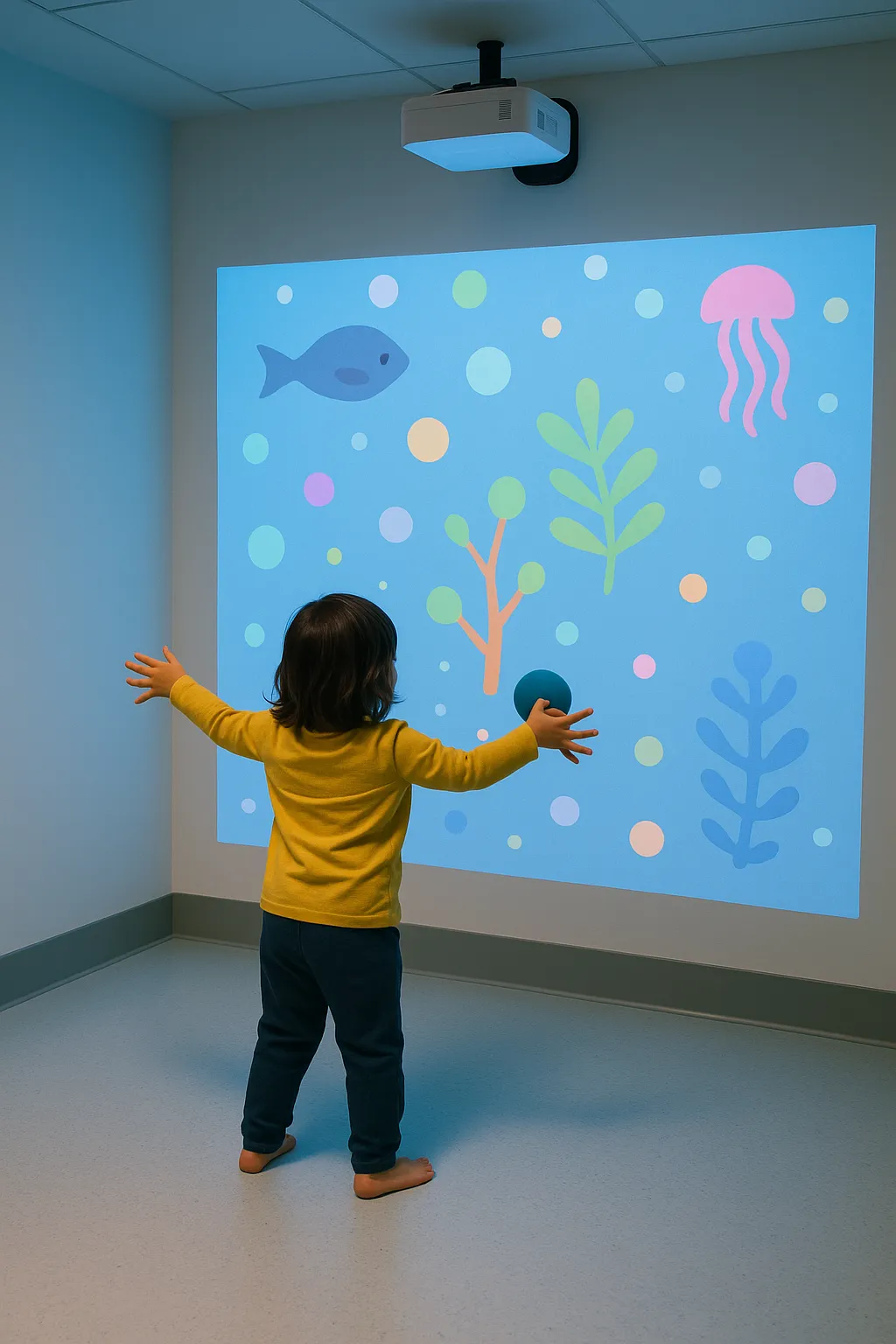
Interactive Sensory Walls for Autism (ASD) & Therapy
Discover how AI-powered interactive sensory walls are transforming autism therapy by providing personalized, engaging, and adaptive sensory experiences.
Autism Acceptance & Early Intervention: A Guide to Inclusive Design
A practical guide to Autism Acceptance Month 2026, early intervention, neuro-inclusive design, and home-to-clinic support for autistic children and families.